
A merger is signed in a day. It becomes one company team by team.
In August 2023, Utrecht-based Goboony and Bordeaux-based Yescapa merged into Europe's largest campervan rental platform. Two founder-led scale-ups. Two countries. Two ways of running a company.
The deal settled the why. It did not settle how the new company would work. Who leads it. Which topics come first. How teams find each other. How goals are set and followed up.
From early 2025, OrganizationBuilders guided the leadership team for a year through those first integration steps. This case shows what we did, and the simple framework that held it together: Purpose, Picture, Plan, Part.
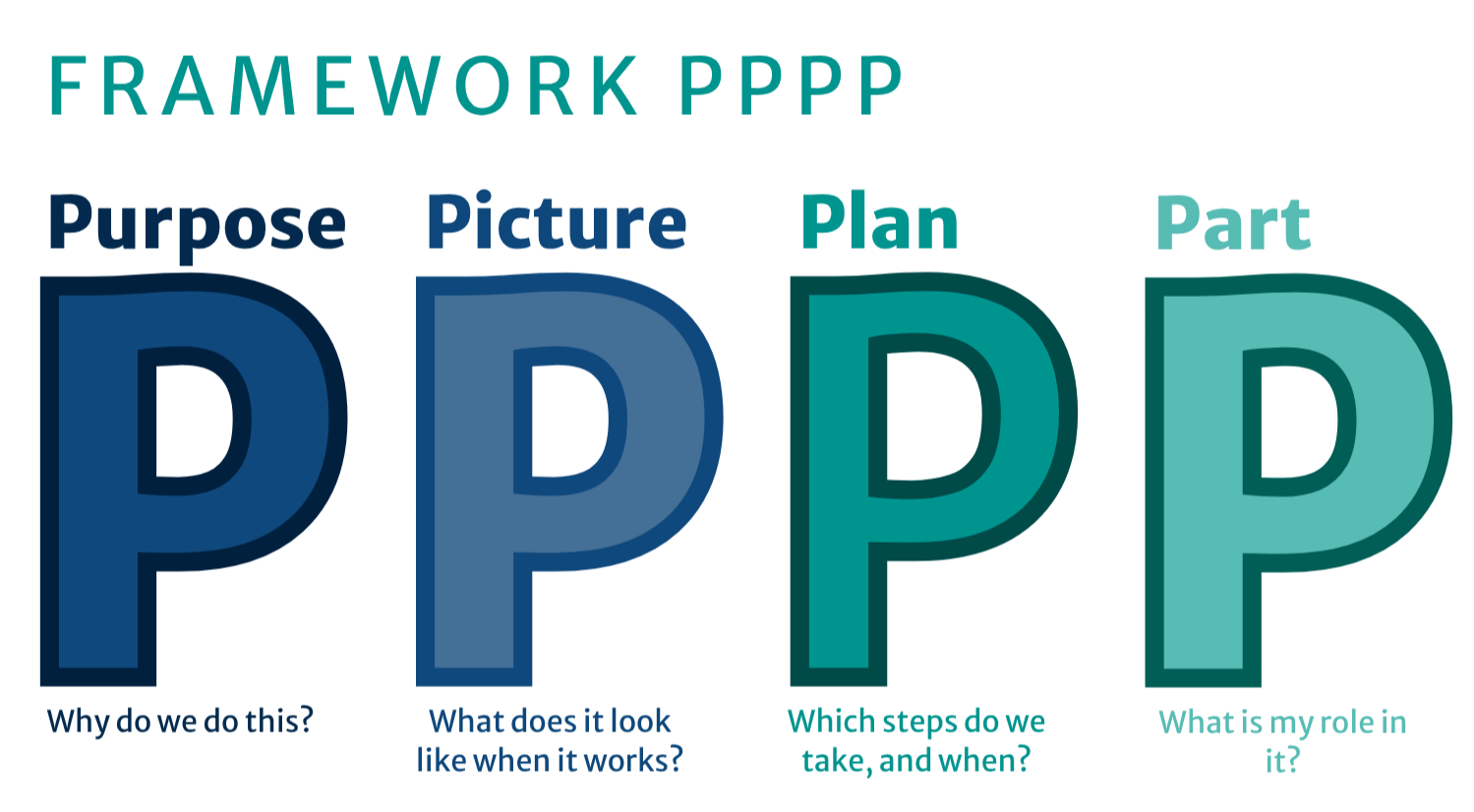
Purpose, Picture, Plan, Part
Every change asks four questions, in this order.
Purpose: why do we do this?
Picture: what does it look like when it works?
Plan: which steps do we take, and when?
Part: what is my role in it?
Purpose: At Yescapa and Goboony, Purpose was already clear.
The merger itself was the answer: become Europe's leading platform for campervan rental. Our work started at Picture and ran all the way to Part. A clear Picture for the leadership team. A Plan the whole company could follow. And a Part for every team and every employee.
Picture: one leadership team, one view on how to organize
Integration starts at the top. Before teams can merge, the leadership team has to work as one team.
A new leadership team. We started with team building in Teambooster. The new leadership team set its own leadership agenda: the topics only they can own. Their first shared decision was small and telling: a name. They chose Navigators.
One view on how to organize. The two companies ran on different models. One was more self-steering. The other more top-down. Neither is wrong. But one company cannot run on both.
So the Navigators explored the questions underneath the org chart. How much do teams decide themselves? Where do leaders set direction? How do teams work together across the company? That shared view shaped the new org structure. It also set the leadership style the Navigators would hold each other to.
Plan: the right topics, in the right order
A merger has more topics than any team can carry at once. The Plan decides what comes first.
An integration roadmap. We built the roadmap in four dashboards, each with its own pace:
Big changes
Smaller visible changes that show we merge
Team-level integration
Functional changes
Each dashboard gives a simple summary, a clear end goal, and prioritized next steps. Traffic lights show where progress stalls. Big projects are broken into small items that can be completed. The roadmap is the current best effort to complete the full project. It can, should and will change over time.
Company communication from the start. One Navigator owns the dashboards. Another owns communication: summarizing decisions and sharing them with the company on behalf of the team. Progress becomes visible to everyone, not only to the leadership team.
Part: every team knows its role
A Plan becomes real when people see their own part in it.
An integration team. A dedicated integration team carried the roadmap between leadership meetings. It kept the dashboards current and made sure decisions turned into action.
Team-by-team integration. Each team follows the same checklist to become one team:
One lead assigned
All members in a fitting role
Processes integrated
Tools selected, and old ones phased out
Team building with a clear way of working
Goals aligned with the company OKRs
Each team moves at its own pace. The checklist makes that pace visible.
One way of setting goals. Both companies used OKRs, each in its own way. At Goboony, teams proposed projects first, and capacity was set by appetite. At Yescapa, leadership selected the OKRs, and product teams then chose their own initiatives within the quarter. Together we designed one method:
Fewer goals. No more company-level quarterly OKRs. A short focus statement of about three items instead.
OKRs where they help. Only Business Driver teams work with OKRs. Other teams steer on KPIs or project outcomes.
Sharper Key Results. Improve metric a from value b to value c by intervention d.
Realistic capacity. Plan teams at 80%, leaving room for task forces that start during the quarter.
Real choices together. A week-by-week quarterly preparation, ending in one alignment meeting where leads and Navigators make the capacity choices.
One rhythm. Business Driver meetings stacked on Monday morning. Navigators every Tuesday and Thursday, alternating performance and bigger topics. A monthly all-leads reprioritization.
The squad capacity shows how the two models came together. Most capacity went to efficient squads linked to OKRs. A smaller part stayed flexible for projects. The rest went to quick fixes.
From one deal to one company

Purpose brought Yescapa and Goboony together. Picture, Plan and Part made them one company. A leadership team that works as one. A roadmap everyone can follow. And a role for every team in the integration.