Inspiration
The field of organizational work is undergoing rapid development and consists of various interconnected topics. These range from the rise of AI and new ways of setting goals to new insights into culture and changing needs due to hybrid working.
We share inspiration about the latest developments, always with a practical "just do it" approach and a touch of ambition to really help you move forward. We remain optimistic that collaboration can be even more enjoyable and effective.
monthly newsletter
with new
insights
2000+ readers
per year
download
latest freebie
(Workflow reflection)
articles
based on own
knowledge
and projects
Inspiration
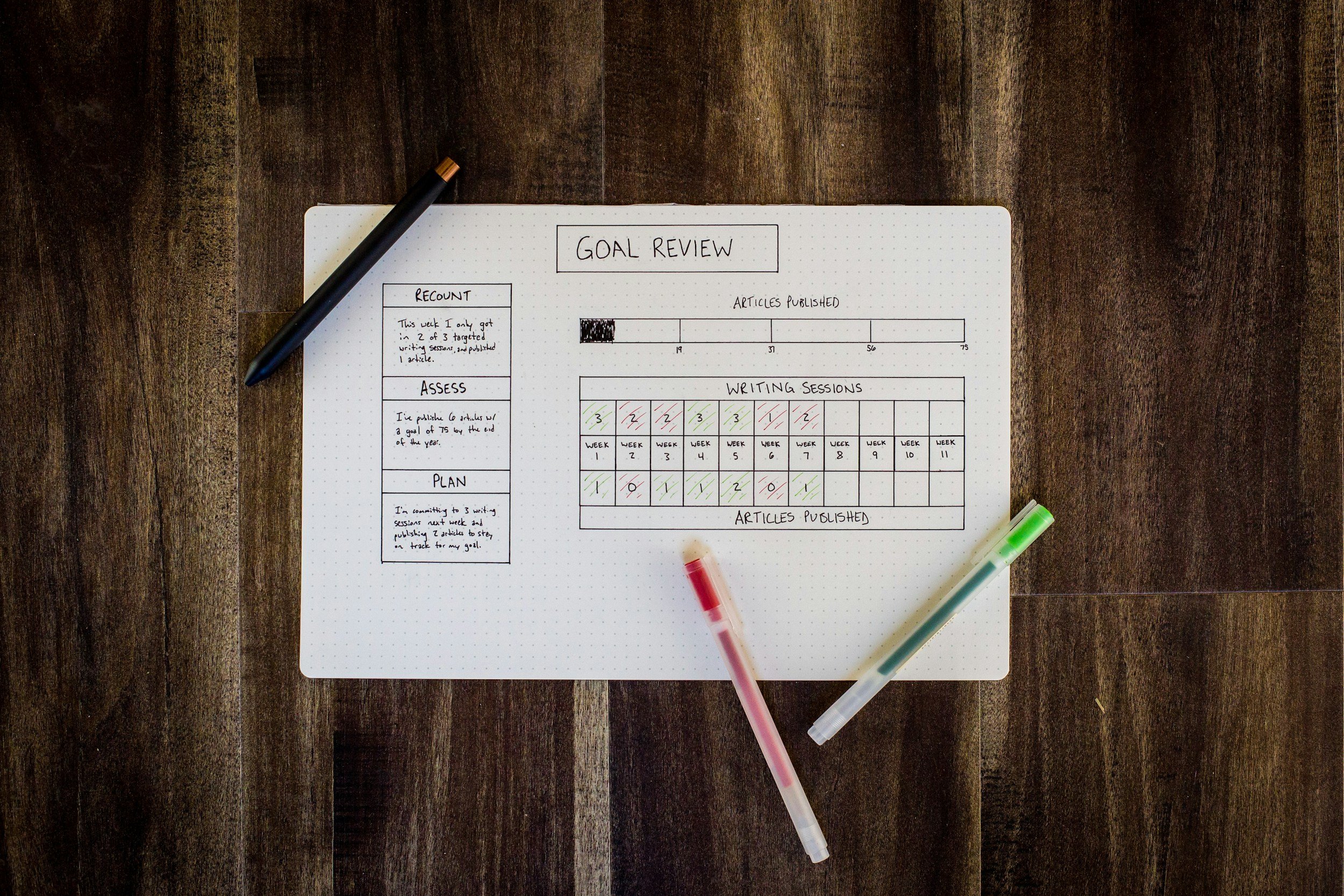
Some forty years after George Doran introduced SMART, people are still debating whether it has stood the test of time. But SMART was never a strategic tool. It’s a checklist for writing a single, clear goal. What it does well, what it doesn’t solve, and how to use each letter today.
Viisi wanted a compensation structure that supports self-organization: fully transparent, with no negotiation and no individual bonuses. We designed and facilitated the process that enabled Viisi to build its own compensation model, and we continue to fine-tune it as the company grows.
As Leen Menken Foodservice Logistics grew, we helped the leadership team reorganize into five cross-functional product teams designed to drive customer value.
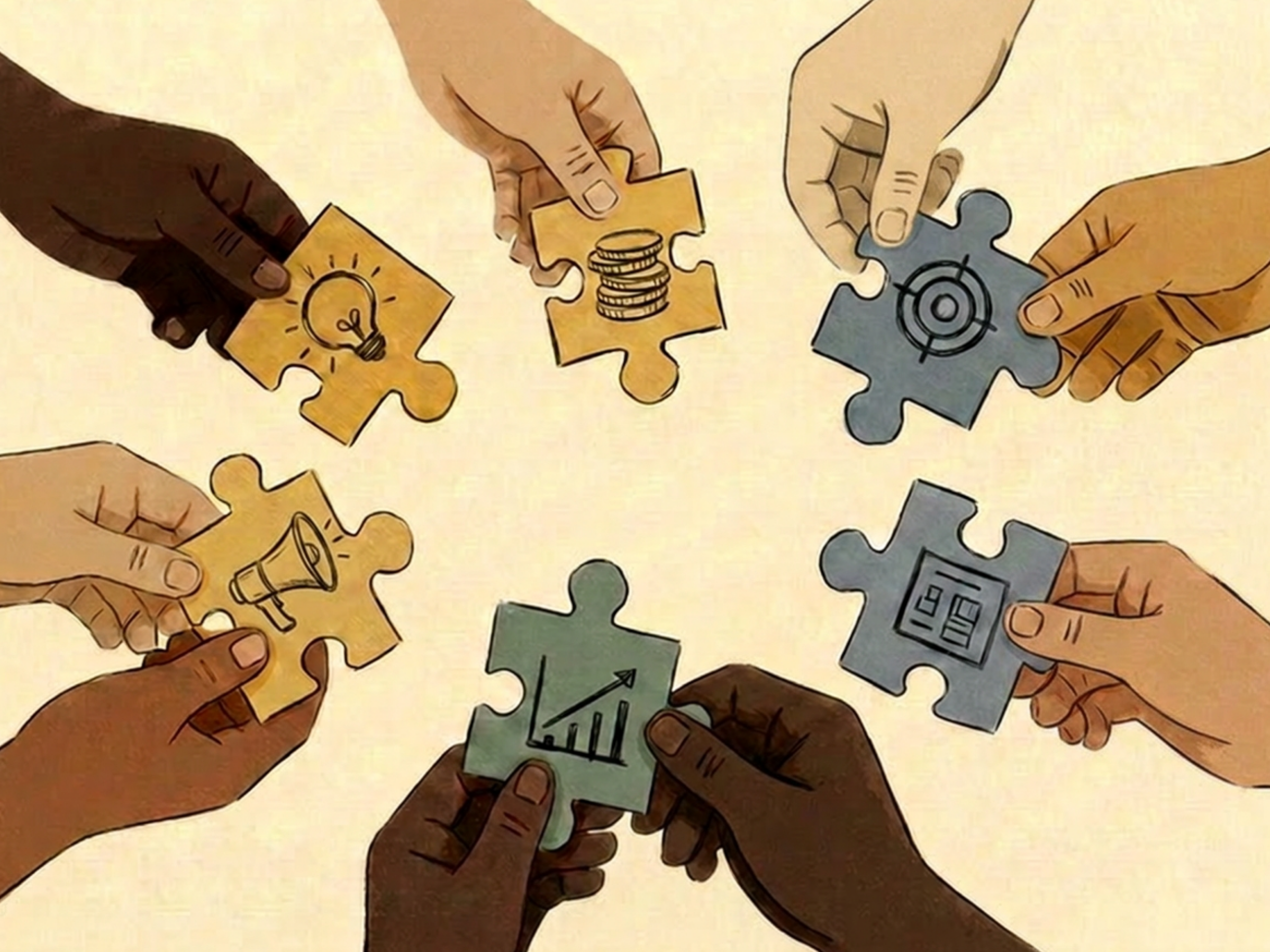
Cross-functional teams are easy to start but hard to sustain. This article discusses the five foundations that determine whether a cross-functional team excels or merely meets expectations.
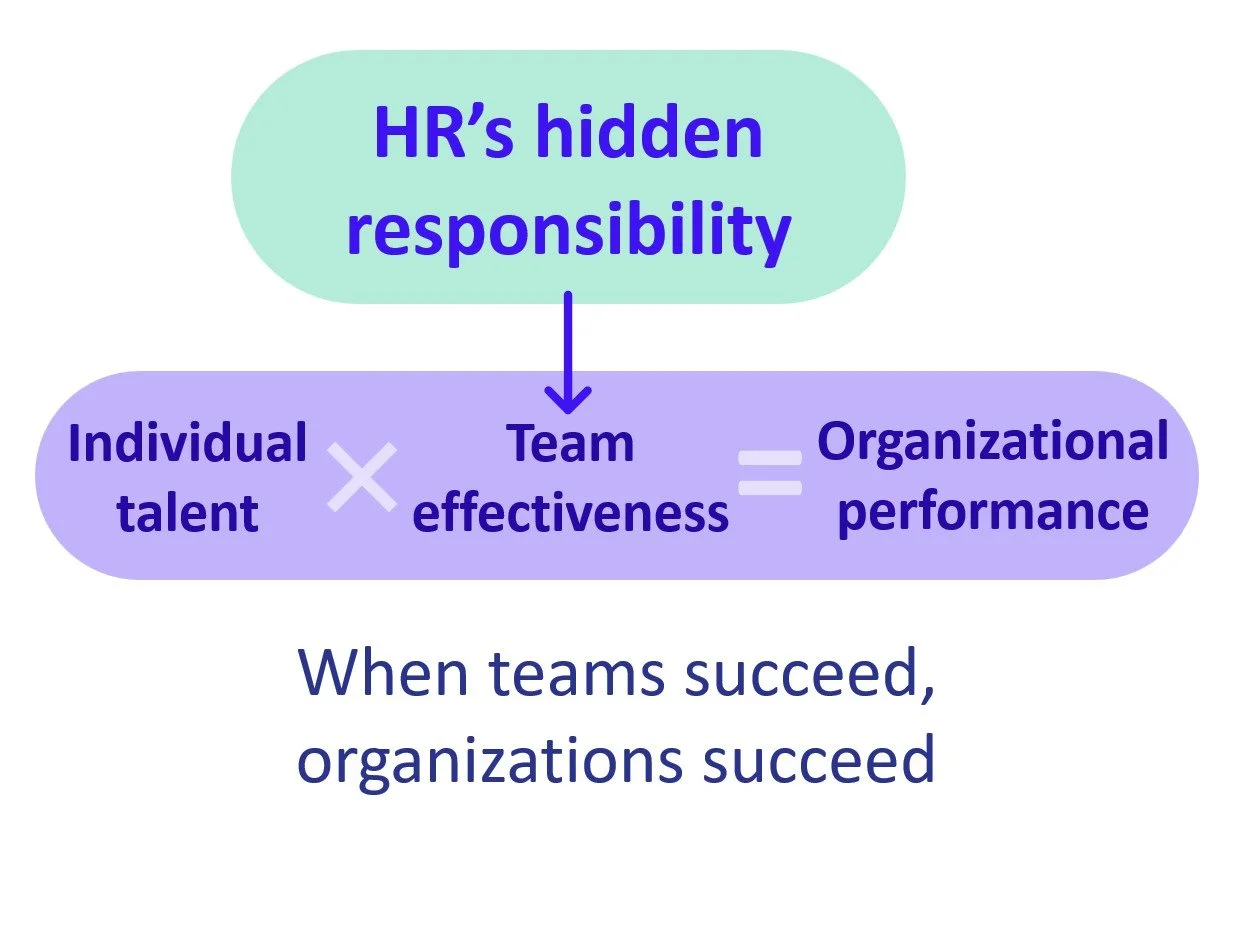
HR's role is not to take over execution, but to build a support model that helps managers lead with confidence, consistency, and a sense of ownership.
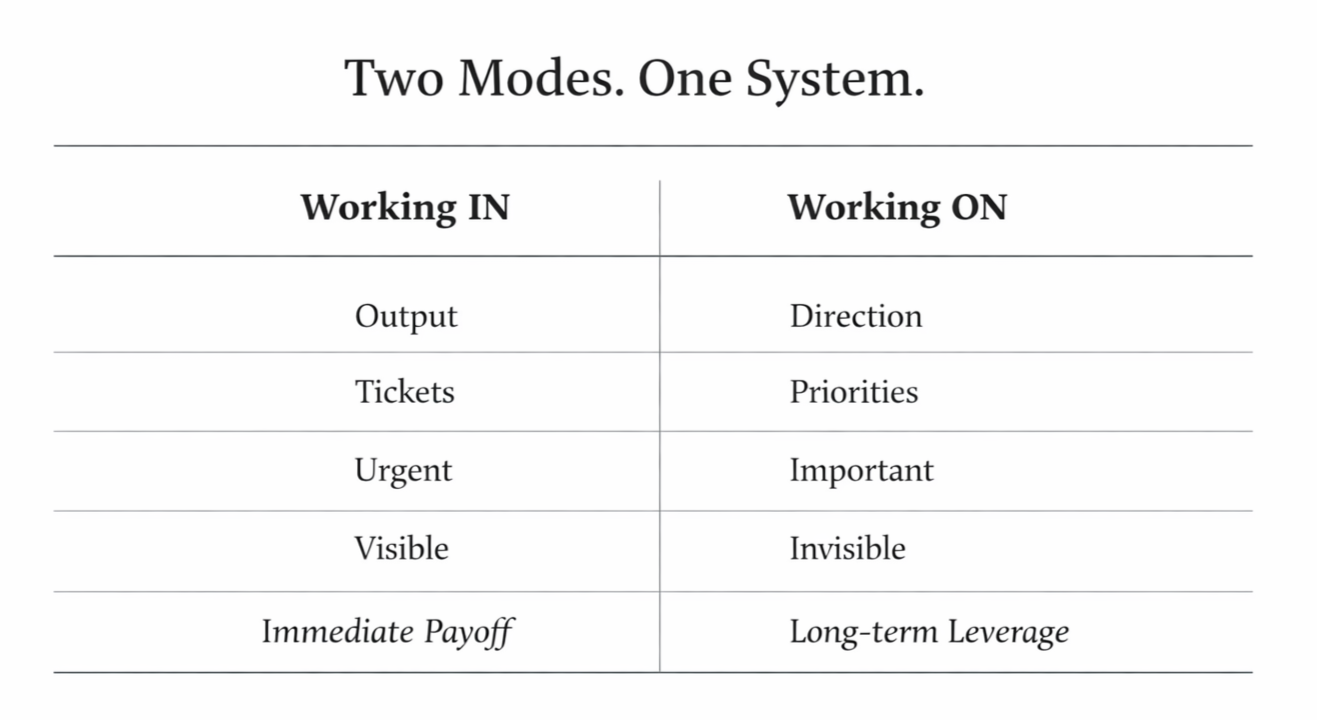
Most leadership teams understand the difference between working in and on the business. Few have designed their operations with that distinction in mind. As AI increases speed, the cost of neglecting that distinction rises. What determines whether acceleration leads to clarity or drift?
This article is based on two observations drawn from real-world experience. First, effective AI transformation consists of distinct layers, and workflow redesign is the key driver of change. Second, AI transformation requires a change in behavior—not as an abstract goal, but as a result of changing how work is organized and carried out.
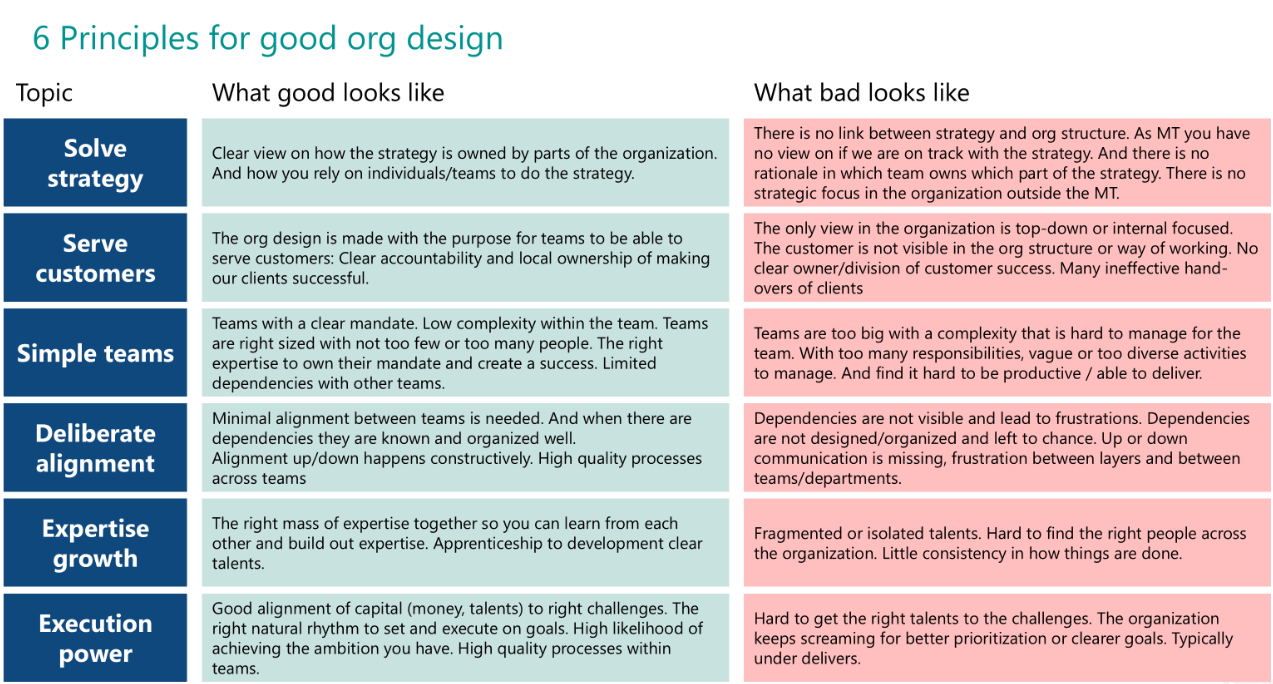
Is your organizational structure driving clarity or creating chaos? Discover why most companies confuse management charts with true strategic design.
Culture is your biggest project—you just forgot to treat it like one. You plan your strategy. You work toward your goals. You measure performance. But culture? It just drifts.
The Dutch Lottery has transitioned to an Agile way of working. Following a two-year transformation during which the multidisciplinary brands made the transition, it is now time for the executive board to adapt its own role as well.
The Group Innovation department focuses on upcoming technological disruptions and what they mean for society, the financial sector, and ABN AMRO. We helped them develop clear OKRs for the coming quarter during two digital workshops.
"Almost two years into using Holacracy as our operating system at Fronteer, our way of working has changed significantly. The structure of raising 'tensions' in tactical and governance meetings has become second nature. Increasingly, we have started to apply this to client projects as well, taking our clients along in our Holacracy approach to working efficiently and effectively."
You'll probably recognize the classic clash between managers and teams: Teams think managers lack vision and don't give enough freedom. Yet managers think teams are not productive nor entrepreneurial enough. And now what?! I personally think Holacracy—a way to work without bosses—works. Having a boss-less organization in which people are fundamentally free to organize their own work greatly reduces stress between them. Allow me to explain.
In 2015, BSL formally implemented self-organization as its new way of organizing itself. Fifteen months later, they are looking back in disbelief. They have become a living and breathing organism with a distinct culture and sense of purpose. How did this happen? This blog attempts an analysis by looking at six distinct time periods in the course of these 15 months.
The leerKracht Foundation supports school leaders and their teaching teams in creating a culture of “getting a little better together every day.” It is a nonprofit foundation dedicated to helping teachers find greater job satisfaction and fostering student engagement. In just one day, we helped them develop a new organizational model aligned with the motto “practice what you preach,” promoting greater autonomy and continuous improvement.
Singularity opted for Holacracy. With an inspiration and knowledge day and flexible support the following year, they independently started working with a new organizational model.
Viisi has a clear philosophy about working together differently. Believing in the talent of your colleagues and giving feedback is seen as much more valuable than evaluating each other. Without annual evaluations, the associated bonus is no longer relevant. Together with Viisi, we developed a more appropriate salary model, one that is still relevant after five years and is one of the pillars of success behind Viisi's growth model.
Econic is on a mission to make homes more sustainable, and the organization is growing rapidly. This requires a new and sustainable organizational model that fits Econic's philosophy and, of course, its ambition to continue growing. We got to work with them!
At ROC Amsterdam-Flevoland (Airport Logistics), there was a need for a simpler and more targeted consultation structure. This did not happen automatically, but with a lot of effort from ROC itself, the new structure is now in place. We helped them to do this themselves. Curious to find out how?
In this video series, we help our customers learn how to use Holaspirit. Maybe you use Holaspirit, too, and could use some tips.
TNO employs more than 3,000 people, including the "Future of Work" team. This team conducts research into new ways of working together, such as self-organization. The team took the step of applying this in their own daily practice.
The Dutch Lottery has transitioned to Agile working. Following this transformation, the current job classification system was no longer adequate. They went from more than 100 job classifications to 20 in a suitable model.
So you've adopted the Constitution, defined circles, and started holding regular Governance Meetings, Tactical Meetings, and so on. The whole shebang... Cool, you're all set to go! But then someone realizes the old compensation system might need an overhaul, too.
For most teams, the pandemic either brought colleagues closer or drove them increasingly apart. There are three key reasons why.
Will this gradual evolution (working from home) continue, now that COVID-19 has upended everything? Three trends strike us as particularly vulnerable to reversal amid the panic unleashed by the pandemic.
“When we first introduced the proposal, not everyone immediately said, ‘Let’s do it!’ At the end of 2016, we made all salaries transparent for the first time. That certainly sparked some discussions. But the focus shifted from ‘I want to earn more’ to ‘What is a fair distribution for the organization?’”
Finding out that you earn less than your immediate colleague. Embarrassing? There’s a whole different way to handle salary issues. Listen to the Intermediair & Marc-Peter Pijper podcast.